HVAC maintenance in Florida apartment communities has to work harder than in most of the country, because the systems run nearly year-round in heat and humidity that accelerate wear on coils, electrical components and condensate drains. A preventive schedule catches the failures that otherwise turn into no-AC emergencies during the hottest, most humid months.
This guide covers why Florida multifamily HVAC systems fail more often, a maintenance checklist by frequency, warning signs that need immediate service, and how preventive HVAC care reduces both emergency repairs and energy costs.
Why AC Systems Fail More Often in Florida Multifamily Buildings
- Near-constant runtime. Systems that run most of the year accumulate wear far faster than seasonal use in cooler climates.
- High humidity. Moisture accelerates corrosion on coils, electrical contacts and condensate components.
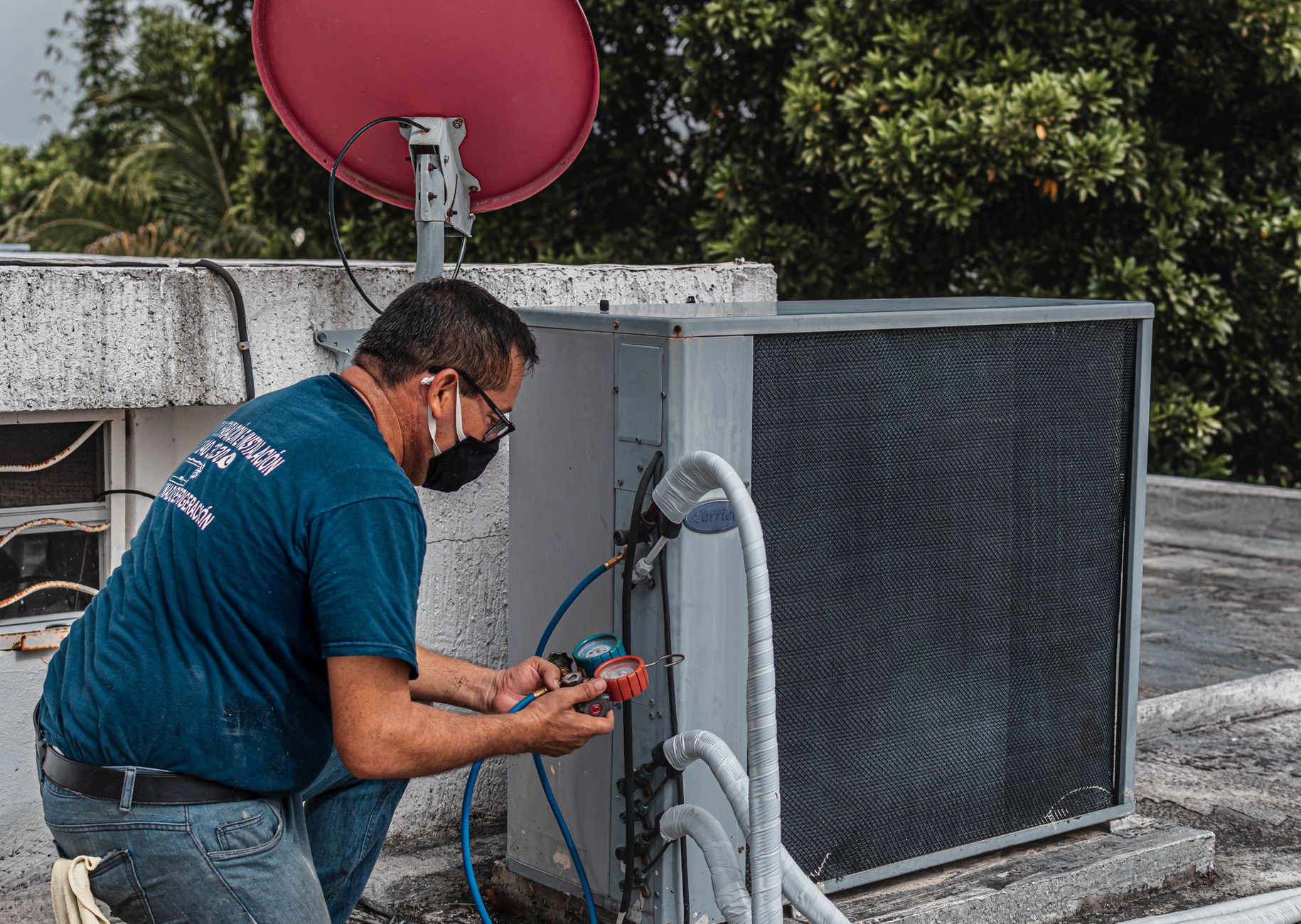
- Coastal salt air. Properties near the coast see faster corrosion on outdoor condenser units and rooftop equipment.
- Clogged condensate lines. Algae growth in humid climates clogs drain lines faster, a leading cause of water damage complaints.
- Many units, many systems. A property with 100+ units may have 100+ separate AC systems, each on its own failure clock.
Preventive HVAC Maintenance Checklist by Frequency
| Frequency | Tasks |
|---|---|
| Monthly | Replace or clean air filters; check for unusual noise, odor or water near indoor units |
| Quarterly | Clear condensate drain lines; inspect and clean outdoor condenser coils and fins; check refrigerant lines for insulation damage |
| Semi-annually | Tighten electrical connections; test capacitors and contactors; verify thermostat calibration; check refrigerant charge |
| Annually | Full system inspection before summer; clean evaporator coil; inspect ductwork for leaks; review age and repair history for replacement planning |
Run the annual full inspection before peak cooling season, and treat it as part of your broader multifamily preventive maintenance checklist rather than a separate program.
Signs an AC Unit Needs Service Now
- Warm air from supply registers, or the system running constantly without reaching the set temperature.
- Water pooling near an indoor air handler, a sign of a clogged condensate line.
- Ice forming on the refrigerant lines or evaporator coil.
- A sharp rise in a unit’s or the property’s electric bill without a clear cause.
- Grinding, squealing or clicking noises from the outdoor condenser.
Rooftop, Wall-Mounted and Split Systems: Maintenance Differences
Multifamily properties commonly mix system types across a portfolio, and each needs slightly different attention:
- Rooftop package units serving common areas need clear drainage paths and roof-membrane checks around the curb to prevent leaks into the space below.
- Wall-mounted or through-wall units common in older garden-style buildings need sleeve and seal inspections to keep out moisture and pests.
- Split systems with an outdoor condenser and indoor air handler need coordinated service on both halves, since a clean condenser can’t compensate for a dirty evaporator coil.
How Preventive HVAC Maintenance Reduces Emergency Costs
No-AC calls are among the most expensive emergency repairs in multifamily maintenance: they usually require after-hours dispatch, a frustrated resident and, in Florida’s heat, a habitability concern that can’t wait. Our guide to reducing emergency repair costs shows how deferred preventive tasks compound into these exact situations. Pairing scheduled HVAC service with ENERGY STAR certified thermostats also keeps common-area and submetered energy costs predictable.
Coordinating HVAC Service with Duct Cleaning
A clean condenser and coil can’t fully perform if the ductwork carrying the air is restricted. Schedule HVAC service and air duct cleaning together, especially at turnover or after any renovation work in the unit.
Want a preventive HVAC schedule built for your property’s system mix? Request a free property assessment.
Keep Every Unit Cool Before Summer Hits
AMB Services provides preventive maintenance, property maintenance, specialized cleaning and renovations for apartment communities and condominiums across South Florida and throughout Florida. Every HVAC visit is logged in the AMB App with photos and notes. Send us your property details and receive a proposal within 48 hours.
Frequently Asked Questions
How often should HVAC systems be serviced in Florida apartment communities?
Filters should be checked monthly, condensate lines and condenser coils quarterly, electrical components and refrigerant charge semi-annually, and a full inspection annually before summer. Florida’s near-constant AC runtime makes this schedule tighter than in cooler climates.
Why do AC units fail more often in Florida multifamily buildings?
Systems run nearly year-round in high heat and humidity, which accelerates corrosion on coils and electrical parts, clogs condensate lines faster with algae growth, and adds coastal salt-air corrosion for many South Florida properties.
What are warning signs an AC unit needs immediate service?
Warm air from vents, water pooling near an indoor air handler, ice on refrigerant lines or the coil, a sudden spike in electric costs, and grinding or squealing noises from the outdoor unit all call for prompt service.
Does duct cleaning matter if the HVAC system itself is well maintained?
Yes. A clean condenser and coil cannot fully perform if ductwork is restricted with dust and debris. Duct cleaning and HVAC service work together, especially at turnover or after renovation work.
How does preventive HVAC maintenance affect emergency repair costs?
Preventive maintenance catches worn parts and clogged drains before they cause a full system failure. No-AC emergencies are among the most expensive and time-sensitive repairs in multifamily maintenance, especially during Florida summers.
See our full preventive maintenance programs and pair HVAC service with our hurricane preparedness checklist before storm season.