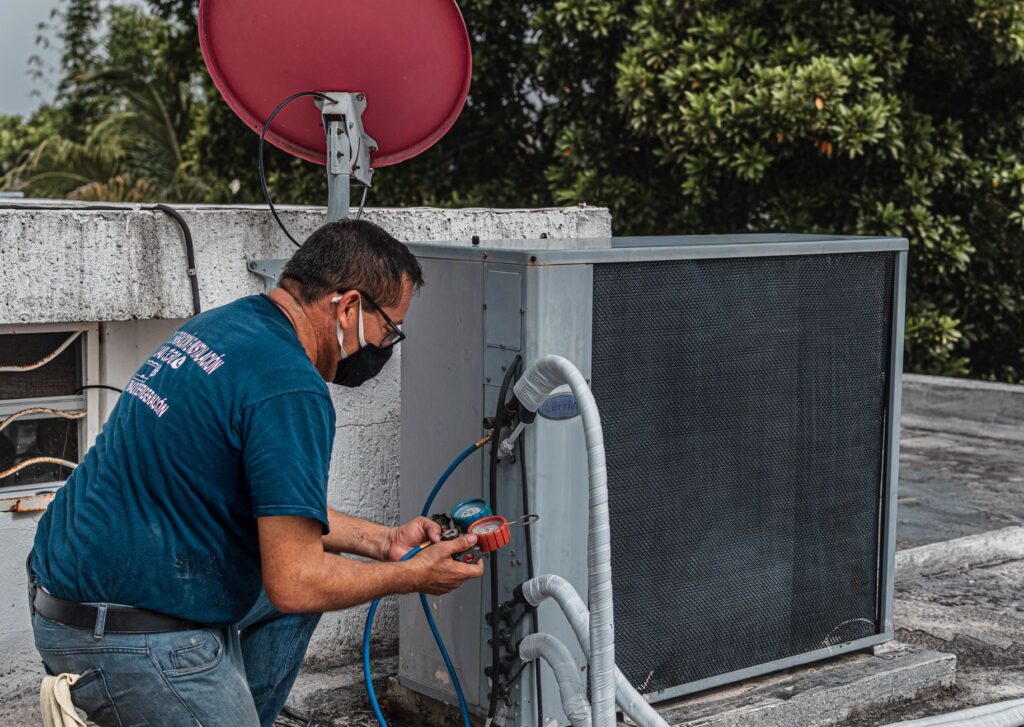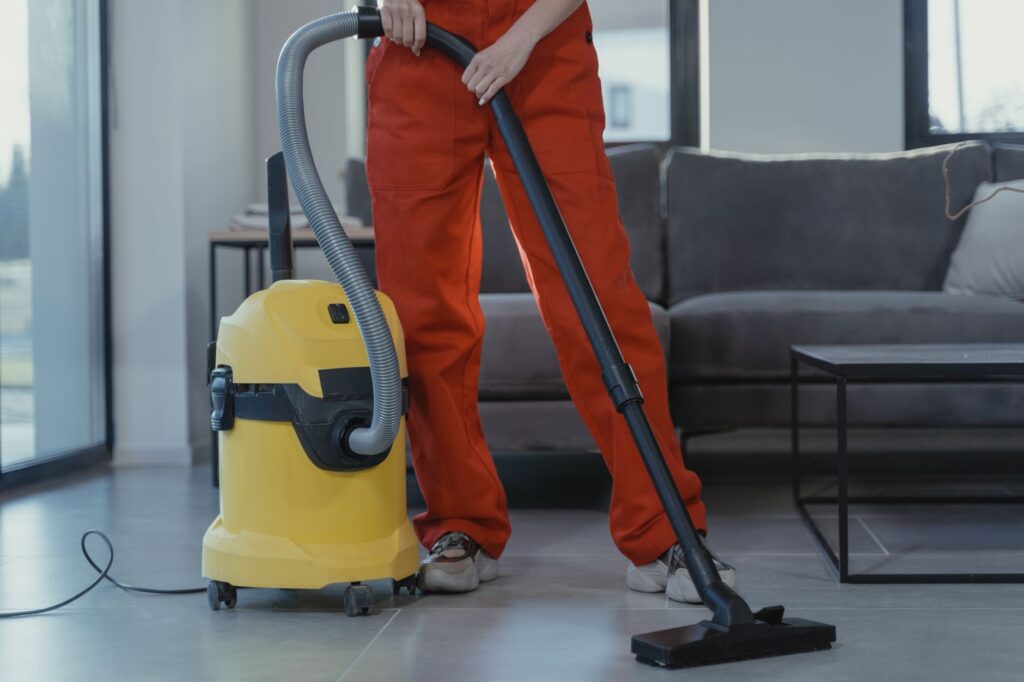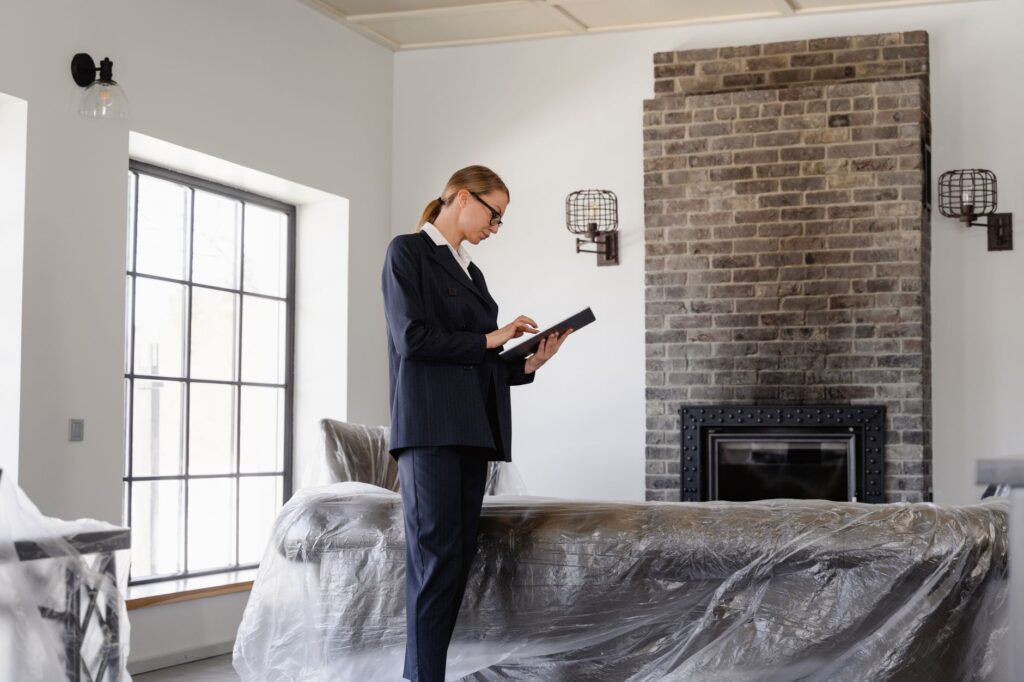
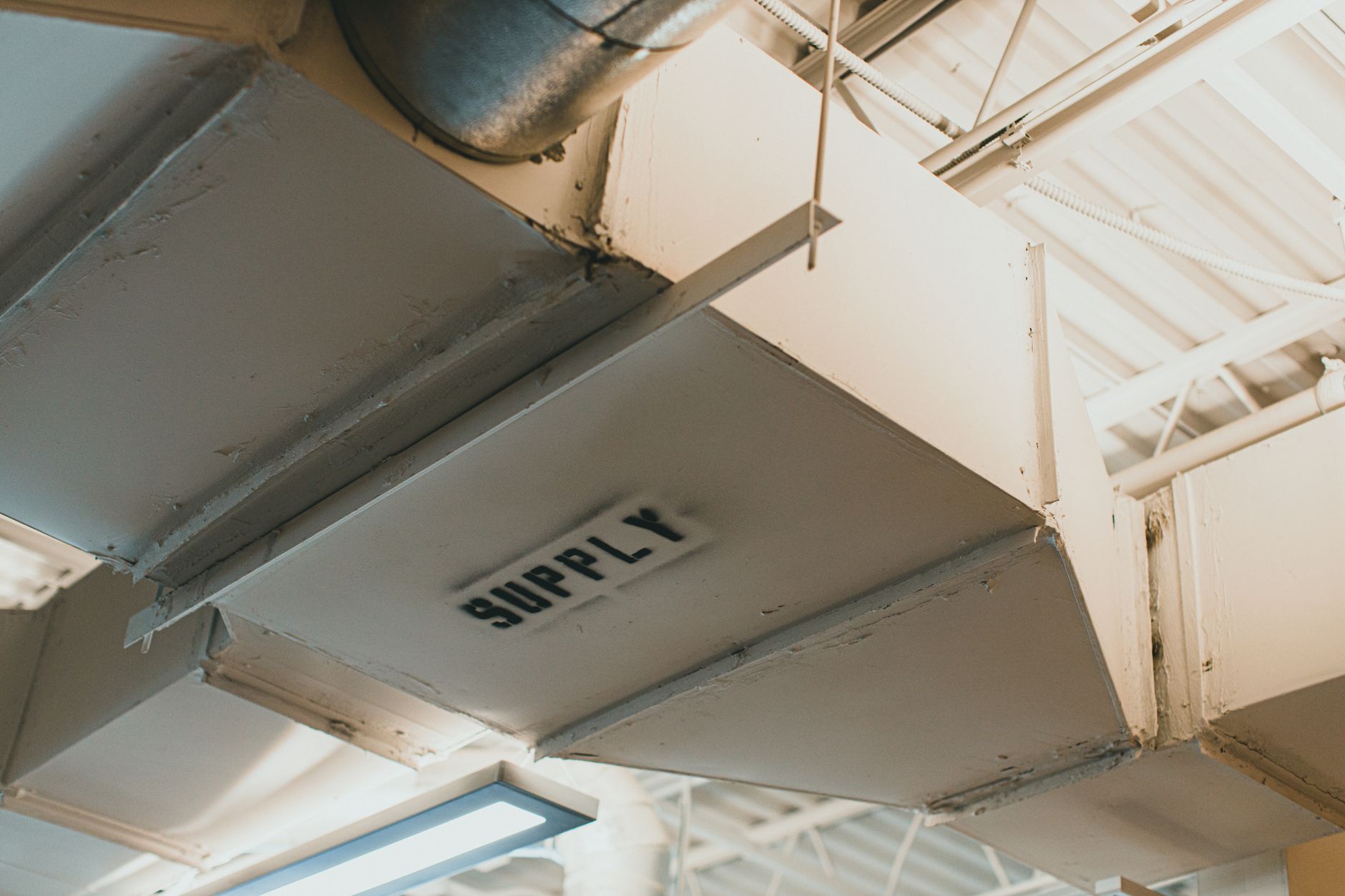
Air duct cleaning removes dust, debris and microbial growth from the supply and return ducts that circulate air through a unit, which improves indoor air quality and helps the HVAC system run efficiently. In Florida’s humidity, dirty or wet ducts are also one of the most common hidden causes of musty odors and mold complaints in occupied units.
This guide covers the warning signs, how often to clean ducts in a multifamily setting, what a professional cleaning includes, and how it fits alongside the rest of your preventive maintenance program.
Signs an Apartment Unit Needs Air Duct Cleaning
- A musty or stale smell when the AC turns on, even after the unit has been cleaned.
- Visible dust blowing from supply registers, or dust buildup around the vent covers.
- A resident with allergy or respiratory complaints that improve when they’re away from the unit.
- The unit sat vacant for an extended period, or the building was recently renovated and construction dust reached the ductwork.
- A prior water intrusion or high indoor humidity near the air handler or ducts.
Why It Matters More in Florida Multifamily Buildings
High outdoor humidity, AC systems that run nearly year-round and older duct insulation create the right conditions for condensation inside ductwork. Once dust and moisture combine, ducts can support microbial growth that recirculates through the unit every time the system runs. The EPA’s guidance on indoor air quality and duct cleaning notes that ducts should be cleaned if there is visible mold growth, heavy dust or debris, or infestation, all of which show up more often in humid, high-turnover multifamily buildings than in single-family homes.
How Often to Clean Air Ducts in Apartment Communities
| Situation | Recommended frequency |
|---|---|
| Standard occupied unit | Every 3–5 years, or at every second turnover |
| Unit turnover / make-ready | Inspect every turn; clean if signs are present |
| After a renovation with drywall or flooring work | Before the unit is re-leased |
| After a water leak near the air handler or ducts | Immediately, before running the system again |
| Common-area or clubhouse HVAC | Every 2–3 years, more often near a kitchen or gym |
Building this into a set schedule, rather than reacting to complaints, is the same logic behind our multifamily preventive maintenance checklist.
What’s Included in a Professional Air Duct Cleaning
- Supply and return duct cleaning using negative-pressure equipment and agitation tools to dislodge debris without damaging duct liners.
- Register and grille cleaning at every supply and return point in the unit.
- Coil and blower inspection, since a dirty evaporator coil restricts airflow the same way a dirty duct does.
- Condensate line check to confirm the line draining the AC’s moisture isn’t clogged, a common cause of water stains near air handlers.
- Dryer vent cleaning, when the unit’s laundry vent runs through the same chase, since a clogged vent is a fire-safety issue on its own. See our guide to dryer vent cleaning for apartment communities.
Air Duct Cleaning and Energy Costs
Restricted airflow from dirty ducts and coils forces the AC system to run longer to reach the same temperature, which raises utility costs in common areas and, on submetered properties, for residents. Pairing regular duct cleaning with ENERGY STAR certified thermostats and a filter-change schedule keeps the system working at its rated efficiency instead of compensating for blocked airflow.
Want duct cleaning scheduled alongside your other turnover and preventive tasks? Request a free property assessment.
Cleaner Air, Backed by Documented Work
AMB Services provides specialized cleaning, including air duct, dryer vent and crawl space cleaning, for apartment communities and condominiums across South Florida and throughout Florida. Every job is documented in the AMB App with before-and-after photos. Send us your property details and receive a proposal within 48 hours.
Frequently Asked Questions
How often should air ducts be cleaned in an apartment community?
Most occupied units benefit from duct cleaning every 3 to 5 years, or at every second turnover. Clean sooner after a water leak near the ducts or air handler, after renovation work that creates dust, or when a unit shows musty odors or visible dust at the registers.
What are the signs of dirty air ducts in an apartment?
A musty smell when the AC runs, visible dust around vent covers or blowing from registers, resident allergy complaints tied to time spent in the unit, and recent water intrusion or high humidity near the air handler are the most common signs.
Does air duct cleaning reduce energy costs?
Yes. Dust and debris inside ducts and on coils restrict airflow, which forces the HVAC system to run longer to reach the same temperature. Clean ducts and coils help the system run closer to its rated efficiency.
Is air duct cleaning different from dryer vent cleaning?
Yes. Air duct cleaning covers the supply and return ducts that circulate conditioned air. Dryer vent cleaning clears the separate exhaust line for the clothes dryer, which is a fire-safety issue on its own and is often scheduled at the same time.
Should air ducts be cleaned during a unit turnover?
Inspect ducts at every turnover and clean them if there is visible dust, odor or debris, and always after a renovation that involved drywall, flooring or demolition work in the unit.
Explore our full specialized cleaning services and see how duct cleaning pairs with our crawl space cleaning guide for whole-building air quality.