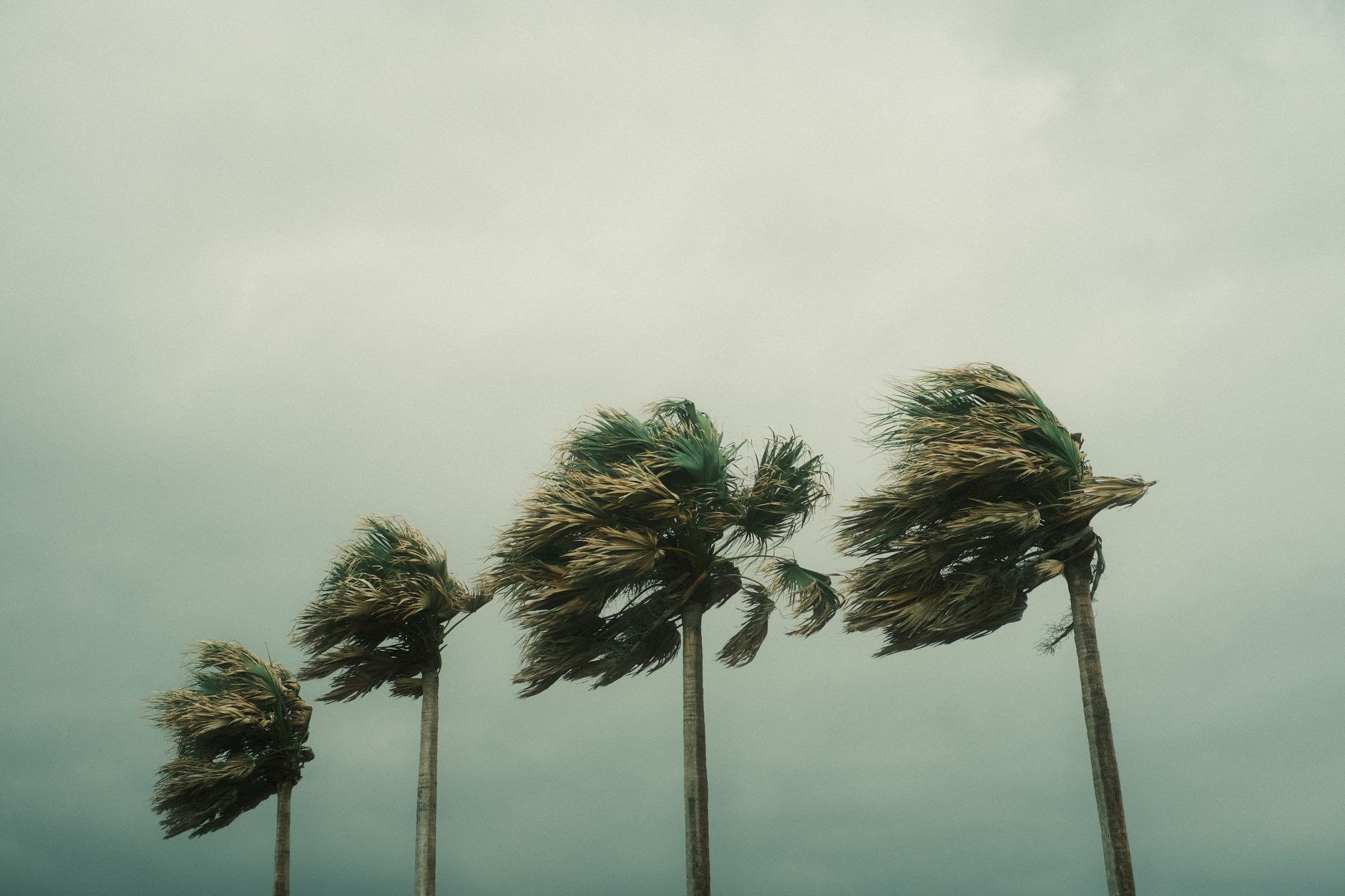
The best time to prepare a multifamily property for a hurricane is before a storm shows up in the forecast. Once a watch is issued, contractors are booked, supplies run out and hundreds of residents need answers at the same time. This checklist walks property managers and condo boards through what to do before the season, when a storm is approaching and in the first days after it passes.
Use this hurricane preparedness checklist to organize the work before, during and after a storm, and follow official updates from the National Hurricane Center and the Florida Division of Emergency Management.
The Atlantic hurricane season runs from June 1 to November 30, and the most active months for Florida are usually August through October. Miami-Dade and Broward counties are also part of the High-Velocity Hurricane Zone of the Florida Building Code, a reminder of how much wind South Florida buildings are expected to withstand.
Why Multifamily Properties Need Their Own Hurricane Plan
- Many residents, one building. A single roof leak or power outage can affect dozens of units at once.
- Shared systems. Roofs, drainage, electrical rooms, elevators, generators and fire protection systems all need attention before and after a storm.
- Common areas. Outdoor furniture, signs, trash containers and loose materials can become projectiles in high winds.
- Insurance claims. Recovering storm costs depends on clear documentation of the property before and after the event.
- Legal responsibilities. Section 718.1265 of the Florida Statutes gives condominium boards specific emergency powers after a declared state of emergency. Boards should review them with their association attorney before the season.
Hurricane Preparedness Checklist: Before the Season
- Roofs. Inspect membranes, flashing, roof drains, scuppers and rooftop equipment tie-downs, and have a licensed roofer repair damaged areas.
- Drainage. Clear gutters, downspouts, catch basins, storm drains and balcony drains so heavy rain can leave the property.
- Trees and landscaping. Trim dead branches and trees that hang over buildings, walkways, power lines and parking areas.
- Shutters, windows and doors. Confirm that shutter panels are complete, labeled and in working order, and that impact windows, sliding doors and door seals are intact.
- Exterior walls and sealants. Look for cracks, failed caulking and damaged stucco where wind-driven rain can get inside.
- Generators and life-safety systems. Service and test generators, confirm fuel supply, and check emergency lighting, exit signs and fire alarm backup batteries.
- Pumps. Test sump pumps, lift stations and their alarms.
- Plumbing. Repair active leaks and label main water shut-off valves. Our pipe repair guide covers the warning signs.
- Photos and video. Document the condition of every building, roof, common area and parking lot while everything is still undamaged.
- Vendors. Line up debris removal, cleanup and repair crews before the season, not after the storm.
Want a second set of eyes before a storm arrives? Request a hurricane readiness walk-through.
Resident Communication Plan
- Update resident, owner and emergency contact lists.
- Share the rules for shutters, balcony items and vehicles well before a storm.
- Tell residents where they will receive updates: email, text messages or the resident portal.
- Explain clearly what management or the association will do and what residents are responsible for.
- Remind renters that the building’s insurance does not cover their personal belongings.
When a Storm Is Approaching: 72-Hour Checklist
- Secure common areas. Remove or tie down outdoor furniture, grills, signs, trash cans and amenity equipment.
- Close shutters in common areas and remind residents to follow the lease or association rules for their units.
- Empty dumpsters and schedule a final pickup so containers are not full when the wind arrives. See our guide to bulk trash removal for apartment communities.
- Clear drains again and protect low-lying entries, electrical rooms and ground-floor units with flood barriers or sandbags.
- Fuel generators and vehicles and test backup communication with staff and vendors.
- Follow your elevator contractor’s storm instructions, which often include parking cabs above the ground floor and shutting them down.
- Record the property with date-stamped photos and video right before the storm.
- Back up records, including leases, insurance policies, vendor contracts and contact lists, to secure cloud storage.
After the Storm: The First 72 Hours
- Put safety first. Wait for the official all-clear, keep people away from downed power lines, standing water and damaged structures, and close unsafe areas.
- Use generators safely. Never run portable generators indoors, in garages or near windows. The CDC recommends keeping them at least 20 feet from doors and windows to prevent carbon monoxide poisoning.
- Document damage before cleanup. Photograph and film every affected area before anything is removed or repaired.
- Stop water intrusion fast. Tarp openings, extract standing water and remove wet materials. The EPA advises drying wet materials within 24 to 48 hours to prevent mold growth.
- Clear debris from walkways, stairs, parking areas and storm drains.
- Inspect the property: roofs, balconies, railings, stairs, fences, lighting, pavers and every unit with signs of leaks in ceilings, walls or floors.
- Call a licensed electrician before re-energizing any electrical equipment that was under water.
- Log every issue as a work order and keep residents informed about what is being repaired and when.
A note on mold: in Florida, mold assessment and remediation of areas larger than 10 square feet must be performed by professionals licensed by the Department of Business and Professional Regulation.
How to Keep Storm Repair Costs Under Control
Much of the storm damage in multifamily buildings starts with small, known problems: clogged roof drains, loose flashing, failed sealants and overgrown trees. Fixing them during the year through a preventive maintenance program costs far less than emergency repairs after a hurricane. Use our multifamily preventive maintenance checklist to build the routine, and read how to reduce emergency repair costs across your portfolio.
Get Your Property Ready for Hurricane Season
AMB Services helps apartment communities and condominiums across South Florida and throughout Florida prepare for storms and recover after them: readiness walk-throughs, gutter and drain cleaning, storm debris and bulk trash removal, cleanup and interior repairs, all documented with photos in the AMB App. Send us your property details and receive a proposal within 48 hours.
Frequently Asked Questions
When should an apartment community start preparing for hurricane season?
Ideally in April or May, before the season begins on June 1. Inspections, tree trimming, drain cleaning and vendor agreements take time, and contractors are hard to book once a storm is in the forecast.
What should property managers document before a hurricane?
Take date-stamped photos and video of roofs, exterior walls, windows, common areas, parking lots and equipment before the season and again right before a storm. This record makes insurance claims much easier to support.
Who is responsible for hurricane shutters in a Florida condo?
It depends on the declaration of condominium, the association rules and Florida law. Boards should confirm responsibilities with their association attorney and explain them to owners before the season.
How quickly should water damage be addressed after a storm?
As soon as it is safe. Wet materials should be dried within 24 to 48 hours to limit mold growth, so water extraction, tarping and removing wet materials are top priorities after a storm.
Does AMB Services help with post-storm cleanup in South Florida?
Yes. AMB Services is based in Davie, Florida and provides storm debris removal, cleanup and repairs for apartment communities and condominiums in Broward, Palm Beach and Miami-Dade counties and throughout Florida.
Storm preparation and recovery are part of our property maintenance services, together with specialized cleaning and renovations for multifamily communities.