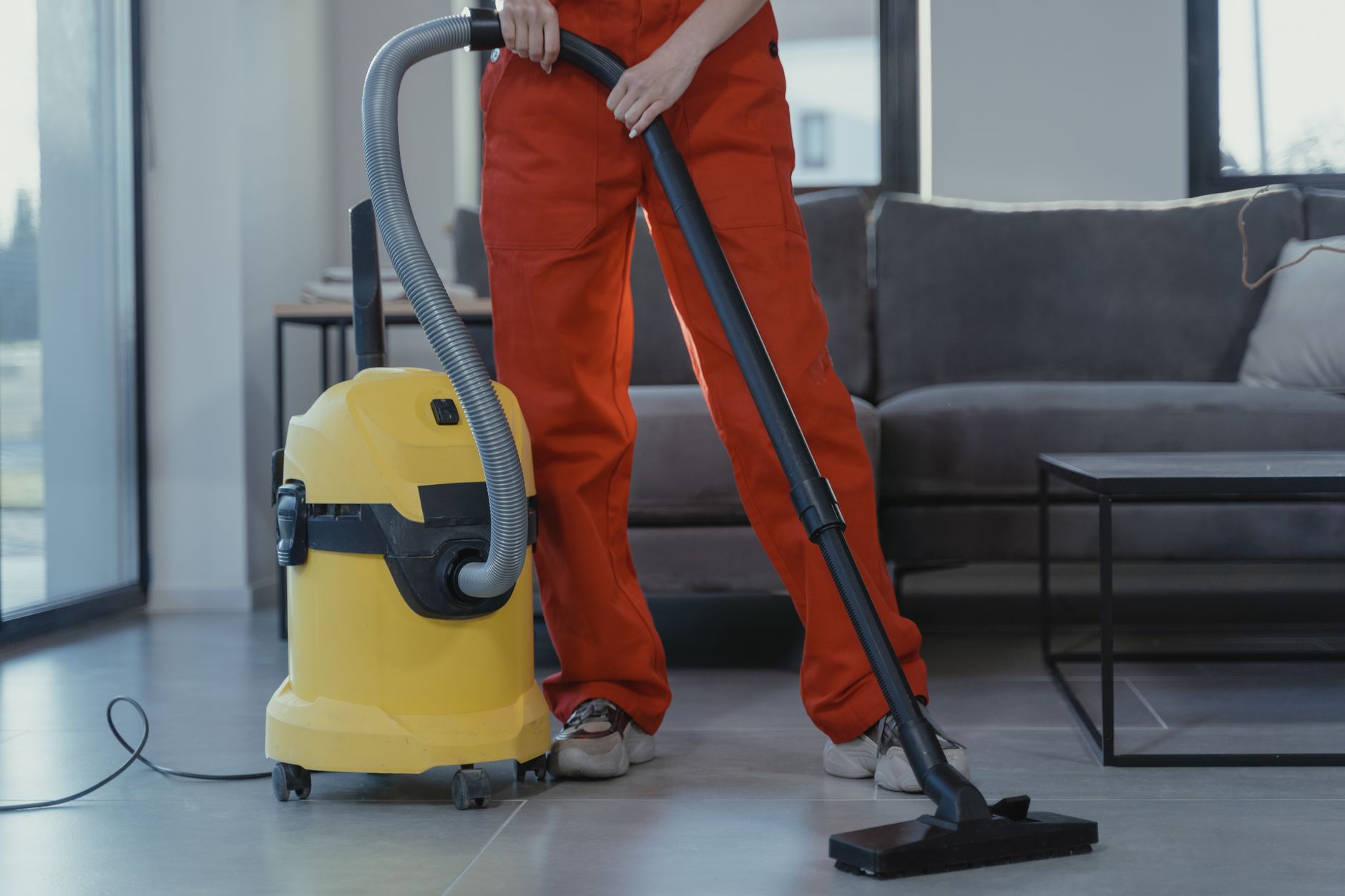
Carpet and floor cleaning protects two things at once in an apartment community: the first impression that fills vacancies and the useful life of an expensive, hard-to-replace surface. Lobbies, hallways and amenity spaces see more daily traffic than any single unit, and neglected floors are one of the fastest ways a well-maintained property starts to look tired.
This guide covers which common areas need a set cleaning schedule, the right method for each floor type, how to judge clean-vs-replace at turnover, and what a professional cleaning includes.
Common Areas That Need Scheduled Floor Cleaning
- Lobbies and leasing offices — the first surface a prospect sees.
- Hallways and corridors — the highest foot-traffic floors in the building.
- Elevators — small, enclosed and used by every resident daily.
- Fitness centers and clubhouses — sweat, outdoor shoes and spilled drinks accelerate wear.
- Vacant units in turnover — carpets and hard floors both need attention before a new resident moves in.
Cleaning Method by Surface
| Surface | Method | Typical frequency |
|---|---|---|
| Carpet (common areas) | Hot water extraction with pre-treatment on traffic lanes | Quarterly, monthly in lobbies |
| Carpet (units) | Hot water extraction at every turnover | Every turnover |
| Tile and grout | Low-moisture scrub with grout-safe solution, periodic grout sealing | Quarterly |
| Luxury vinyl plank (LVP) | Neutral-pH mopping, no steam or excess water at seams | Weekly common areas, every turnover units |
| Polished concrete or terrazzo | Auto-scrubber with pH-neutral cleaner, periodic burnishing | Monthly |
Using the wrong method costs more than it saves: excess water on LVP seams causes swelling, and abrasive scrubbing dulls sealed tile finishes. Matching the method to the surface extends the interval before replacement is needed.
Turnover Floor Cleaning: Clean or Replace?
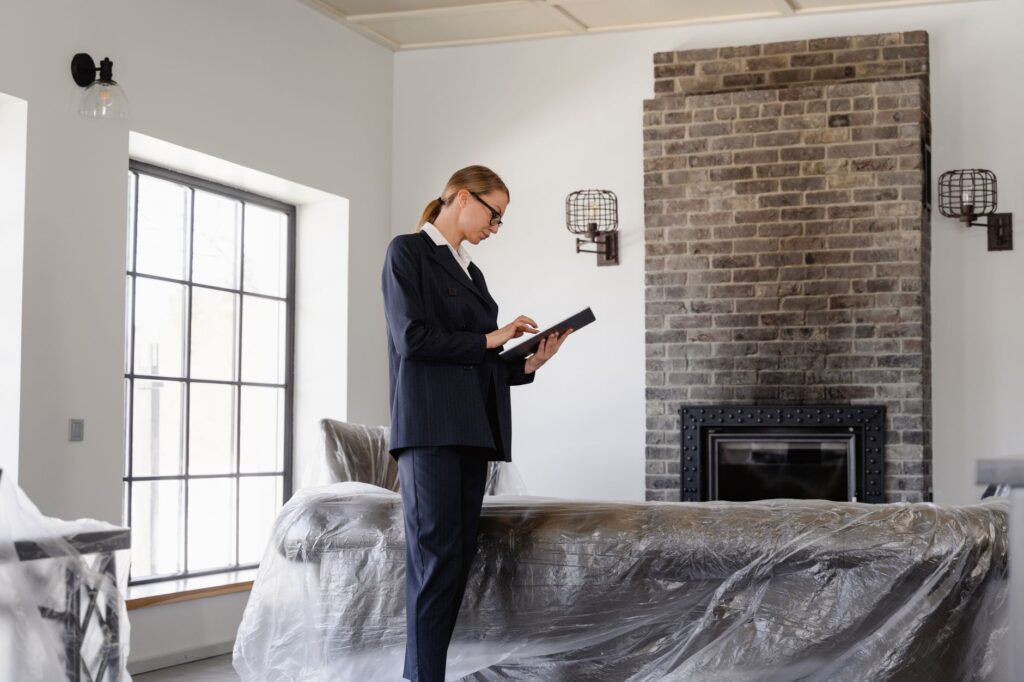
At every turnover, inspect flooring before deciding whether to clean or replace:
- Clean when carpet is within its typical 3–5 year replacement cycle, has no odor after extraction, and hard floors have no cracking, delamination or deep staining.
- Replace when carpet has matting, permanent staining, pet odor that survives extraction, or is at the end of its typical lifespan; also replace hard flooring with water damage, lifted planks or cracked tile.
This decision fits directly into your turnover process. See our apartment make-ready checklist for the full turnover sequence, and our renovate vs. repair ROI guide when flooring is one of several finishes due for replacement.
How Often to Deep Clean Common Area Floors
| Area | Recommended deep-clean frequency |
|---|---|
| Lobby and leasing office | Monthly |
| Hallways and corridors | Quarterly |
| Elevators | Monthly |
| Fitness center | Monthly |
| Clubhouse and amenity rooms | Quarterly, or after large events |
Daily vacuuming or dust-mopping between deep cleans keeps grit from acting like sandpaper on both carpet fibers and hard-floor finishes.
What’s Included in Professional Floor Cleaning
AMB Services scopes carpet, tile and floor cleaning as part of specialized cleaning services:
- Pre-inspection to flag stains, damage or areas needing spot treatment.
- Hot water extraction or low-moisture cleaning matched to the carpet type.
- Tile, grout and hard-surface cleaning with pH-appropriate solutions.
- Photo documentation of before-and-after condition for turnover and common-area records.
Want floor cleaning added to your turnover and common-area schedule? Request a free property assessment.
Floors That Match the Rest of the Property
AMB Services provides specialized cleaning, preventive maintenance, property maintenance and renovations for apartment communities and condominiums across South Florida and throughout Florida. Every cleaning job is documented in the AMB App. Send us your property details and receive a proposal within 48 hours.
Frequently Asked Questions
How often should apartment common area carpets be cleaned?
High-traffic areas like lobbies benefit from monthly cleaning, while hallways and clubhouses typically need quarterly deep cleaning, with daily vacuuming in between to remove grit that wears down fibers.
Should I clean or replace carpet during a unit turnover?
Clean carpet that is within its typical 3 to 5 year cycle and has no lingering odor after extraction. Replace carpet with matting, permanent stains, pet odor that survives cleaning, or that has reached the end of its expected lifespan.
Can the same cleaning method be used on carpet, tile and LVP?
No. Carpet needs hot water extraction, tile needs a grout-safe scrub, and LVP needs neutral-pH mopping without excess water at the seams. Using the wrong method can damage the surface and shorten its lifespan.
Why do apartment lobby floors need more frequent cleaning than units?
Lobbies, hallways and elevators see daily traffic from every resident and visitor, compared to a single household in a unit, so dirt and wear accumulate much faster in shared spaces.
Does professional floor cleaning help with lease renewals?
Clean, well-maintained common areas and move-in-ready units directly affect how prospects and current residents perceive the property, which supports both leasing and renewal decisions.
See our full specialized cleaning services and our bulk trash removal guide for keeping common areas clean between deep cleanings.