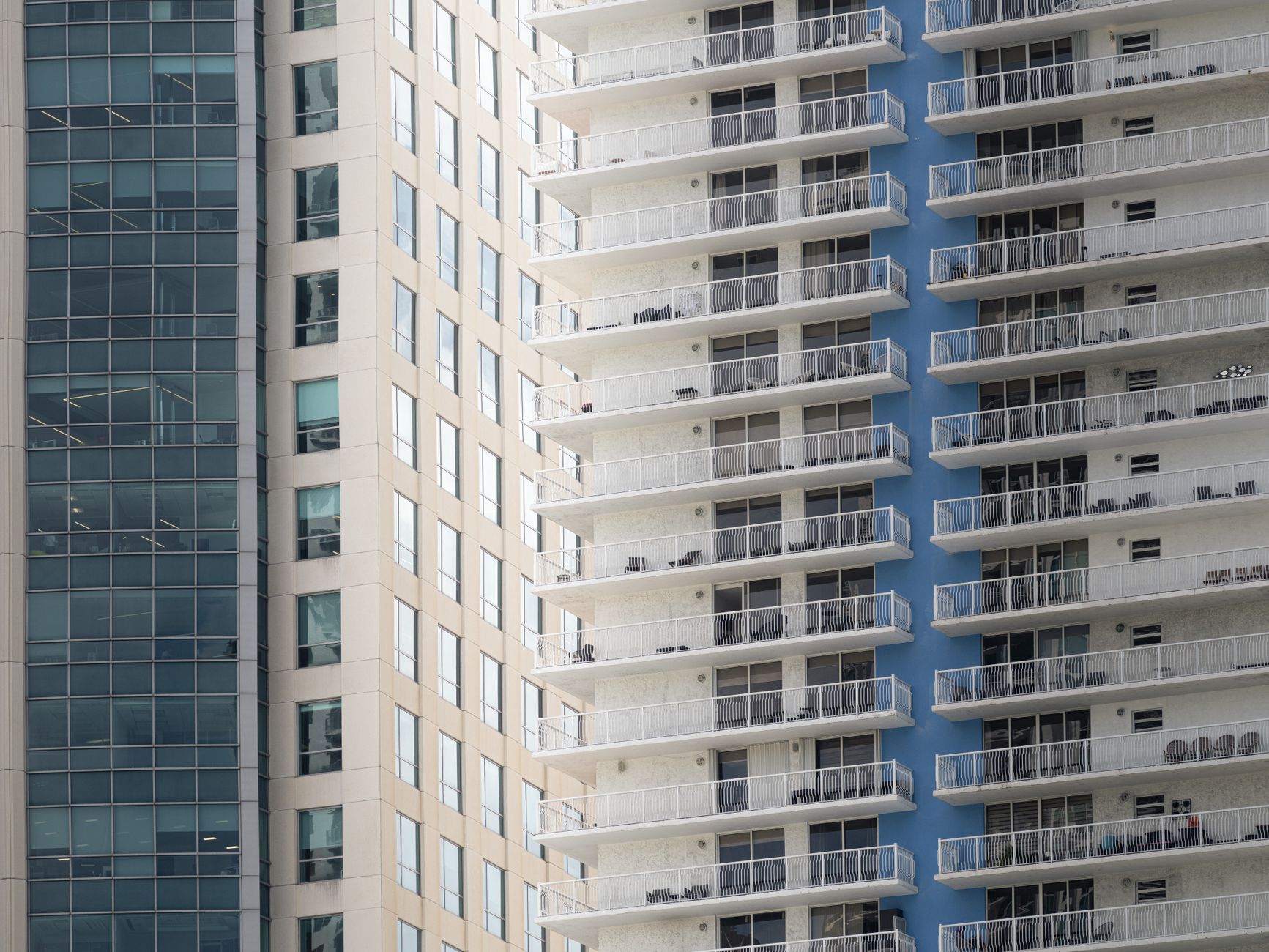
Florida condominium buildings that are three habitable stories or higher must have periodic milestone structural inspections and a structural integrity reserve study (SIRS). Both requirements were created after the 2021 collapse of Champlain Towers South in Surfside and have been amended since, including by HB 913 in 2025.
This guide summarizes what the rules require, the dates that matter and, just as important, how to turn the reports into a realistic maintenance and repair plan. It is general information, not legal or engineering advice. Always confirm the requirements for your building with your association attorney, engineer and local building department.
Milestone Inspections: The Basics
The milestone inspection requirement is set out in section 553.899, Florida Statutes, and the SIRS rules for condominium associations are in section 718.112.
Section 553.899 of the Florida Statutes requires milestone inspections for condominium and cooperative buildings that are three habitable stories or more in height.
- When. By December 31 of the year the building reaches 30 years of age, based on the date its certificate of occupancy was issued, and every 10 years after that.
- Coastal buildings. The local enforcement agency may require the first inspection at 25 years if environmental conditions, such as proximity to salt water, justify it.
- Phase one. A visual examination of the building by a Florida-licensed engineer or architect, completed within 180 days after the association receives written notice from the local building official.
- Phase two. Required only when phase one finds substantial structural deterioration. It may include destructive or nondestructive testing.
- Repairs. When the inspection identifies substantial structural deterioration, required repairs must begin within 365 days after the association receives the phase two report.
- Unit owners. The association must distribute the inspector-prepared summary to unit owners within 45 days after receiving the inspection report.
For example, a building whose certificate of occupancy was issued in 1996 turns 30 in 2026, so its first milestone inspection is due by December 31, 2026, unless the local building official required it earlier under the 25-year rule.
Structural Integrity Reserve Study (SIRS): The Basics
Section 718.112(2)(g) of the Florida Statutes requires a SIRS for condominium buildings three habitable stories or higher. The study looks at the building’s key components, estimates their remaining useful life and replacement cost, and sets the reserve funding the association needs.
- How often. At least every 10 years.
- First deadline. HB 913 extended the deadline for associations that existed on or before July 1, 2022 from December 31, 2024 to December 31, 2025. Some associations could coordinate the study with their milestone inspection, but no initial SIRS may be completed after December 31, 2026.
- Who performs it. A Florida-licensed engineer or architect, or a reserve specialist or professional reserve analyst certified by the Community Associations Institute or the Association of Professional Reserve Analysts.
- What it covers. Roof; structure, including load-bearing walls and primary structural systems; fireproofing and fire protection systems; plumbing; electrical systems; waterproofing and exterior painting; windows and exterior doors; and any other item with a deferred maintenance expense or replacement cost above $25,000 or the inflation-adjusted amount set by the state.
- Reserves. Unit owners cannot vote to waive or reduce reserves for the items covered by the SIRS. For budgets adopted on or before December 31, 2028, a board may, with the approval of a majority of the total voting interests, temporarily pause or reduce reserve contributions for up to two consecutive annual budgets to help fund repairs recommended by a recent milestone inspection. Review this option with your association attorney first.
Common Findings in South Florida Buildings
Salt air, humidity, heavy summer rain and hurricanes are hard on concrete and building envelopes. Typical findings in inspection reports and reserve studies include:
- Concrete cracking and spalling on balconies, walkways and parking garages, often linked to corroding reinforcing steel.
- Failed waterproofing, sealants and expansion joints.
- Worn roof membranes and flashing.
- Water intrusion at windows, sliding doors and exterior walls.
- Aging plumbing risers and drain lines. Learn the warning signs in our pipe repair guide.
- Electrical rooms, panels and fire protection components approaching the end of their useful life.
How to Turn the Reports into a Maintenance and Repair Plan
- Sort findings by urgency. Life-safety and structural items first, then anything that lets water into the building, then end-of-life replacements and cosmetic work.
- Separate structural work from maintenance work. Structural repairs must be specified by the engineer or architect, permitted where required and performed by properly licensed contractors. Many other findings, such as sealants, painting, drainage, doors, carpentry and minor plumbing or electrical repairs, can move into the regular maintenance program.
- Align the plan with the SIRS. Use its component list, remaining useful life and cost estimates to schedule work year by year and keep reserves on track.
- Protect the components on a schedule. Roofs, plumbing, electrical systems, windows and waterproofing last longer when they are inspected and maintained regularly. Our multifamily preventive maintenance checklist is a good starting point.
- Document everything. Keep before and after photos, dates, invoices and reports so the next milestone inspection and SIRS reflect the work completed. At AMB Services, this history is available in the AMB App.
- Plan around residents. Schedule notices, unit access, balcony closures and noisy work to keep disruption to a minimum.
Just received a report with a long list of repairs? Talk to our team about the maintenance items.
Common Mistakes Condo Boards Make
- Waiting until the deadline year to hire engineers and contractors, when demand is highest.
- Treating the SIRS as paperwork instead of a planning tool for the next 10 years.
- Deferring small water-intrusion repairs that later turn into structural repairs.
- Hiring without verifying licenses and insurance. Florida contractor licenses can be checked on the DBPR license portal.
- Poor communication with owners about findings, special assessments and timelines.
Keep Your Building in Good Shape Between Inspections
AMB Services works with condominium associations and property managers across South Florida and throughout Florida on the maintenance side of milestone inspection and SIRS findings: preventive maintenance, plumbing and electrical repairs, painting, drywall, carpentry, paver repair and common-area improvements, coordinated with your engineer and documented in the AMB App. Send us your report and property details and receive a proposal within 48 hours.
Frequently Asked Questions
Which Florida buildings need a milestone inspection?
Condominium and cooperative buildings that are three habitable stories or more in height. The first inspection is due by December 31 of the year the building reaches 30 years of age, or 25 years if the local building official requires it, and every 10 years after that.
What is the difference between a milestone inspection and a SIRS?
A milestone inspection is a structural safety inspection performed by a licensed engineer or architect. A structural integrity reserve study evaluates key building components, estimates their remaining useful life and replacement cost, and sets how much the association must save in reserves.
How often must a condo association update its SIRS?
At least every 10 years for condominium buildings that are three habitable stories or higher.
Can unit owners vote to waive SIRS reserves?
No. Owners cannot waive or reduce reserves for the items covered by the SIRS. A limited, temporary pause or reduction is available in some cases for budgets adopted on or before December 31, 2028, with approval of a majority of the total voting interests.
Does AMB Services perform milestone inspections?
No. Milestone inspections must be performed by Florida-licensed engineers or architects. AMB Services helps associations with the preventive maintenance and non-structural repairs identified in those reports in Broward, Palm Beach and Miami-Dade counties and throughout Florida.
Last reviewed September 2026. Florida condominium laws change often; confirm current requirements with your association attorney, engineer and local building department. Learn more about our preventive maintenance and renovation services for condominiums.