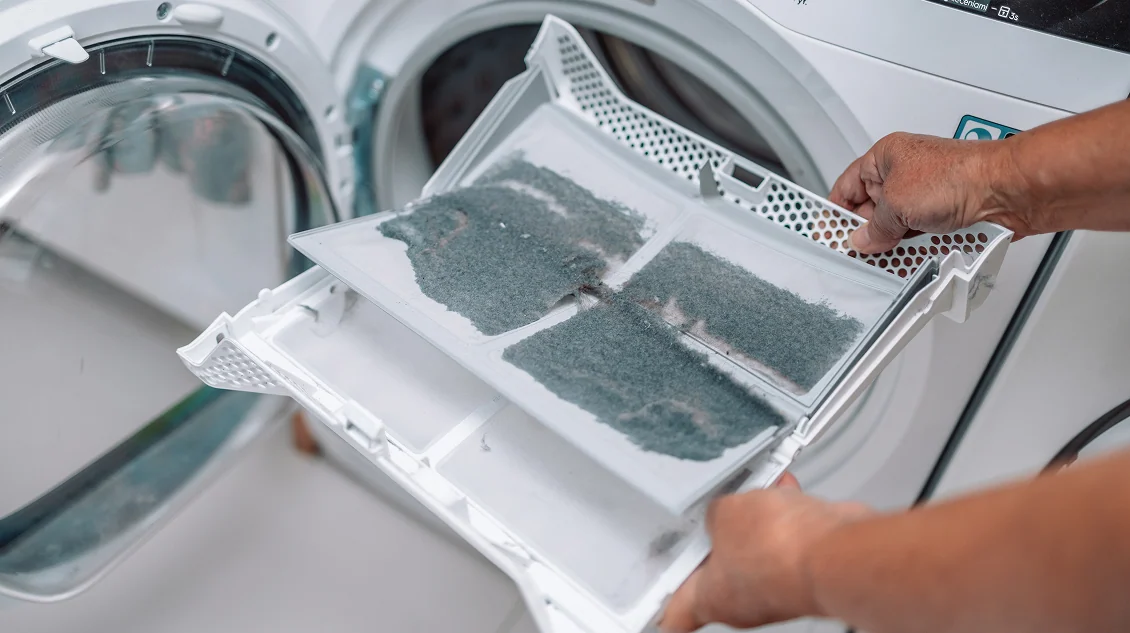
Every clothes dryer in your community pushes hot, lint-filled air through a vent before it leaves the building. When that vent clogs, the dryer overheats, runs longer and becomes a fire risk. For property managers, dryer vent cleaning is one of the simplest, lowest-cost ways to protect residents, neighboring units and the asset itself.
Why Dryer Vents Are a Fire Risk in Multifamily Buildings
According to the U.S. Fire Administration, an estimated 2,900 clothes dryer fires in residential buildings are reported each year, causing an estimated 5 deaths, 100 injuries and $35 million in property loss. Failure to clean is the leading factor contributing to these fires (34%), and dust, fiber and lint are the most common items first ignited. Dryer fires also peak in the fall and winter months.
In apartment and condominium buildings the risk is harder to manage. One clogged vent can put neighboring units in danger, vent runs are often long with several turns, and residents rarely see, or report, the ductwork hidden behind the wall.
Warning Signs a Dryer Vent Needs Cleaning
- Clothes take more than one cycle to dry.
- The dryer or the laundry closet feels unusually hot.
- A burning or musty smell appears when the dryer runs.
- Lint collects around the lint trap door or behind the dryer.
- The exterior vent flap barely opens, or does not open at all, while the dryer is running.
- Residents submit repeat work orders for a dryer that “is not heating” when the appliance itself works fine.
Seeing these signs across several units? Request a dryer vent inspection for your community.
How Often Should Apartment Dryer Vents Be Cleaned?
The National Fire Protection Association (NFPA) recommends cleaning lint out of the dryer vent pipe at least once a year, or more often if clothes are taking longer than normal to dry. Communities with long vent runs, shared exhaust systems, older buildings or heavy laundry use may need inspections more often.
A practical approach is to schedule a community-wide cleaning every year and to add dryer vents to your make-ready checklist, so every apartment starts a new lease with a clear vent.
Florida Factors to Consider
- Storm exposure. Exterior vent hoods face wind-driven rain and debris during hurricane season. Check terminations after major storms.
- Nesting and blockages. Birds, insects and vegetation can block the damper on wall and roof terminations.
- Screens and cages. Screens over the exterior termination trap lint. The International Mechanical Code does not allow screens at dryer exhaust terminations, and some local fire officials have asked communities to remove screens and cages.
- Condominium responsibilities. In condos, who maintains the vent can depend on the association’s governing documents, so confirm responsibilities with the board.
What a Professional Dryer Vent Cleaning Includes
- Inspection of the dryer connection, transition hose and exterior termination.
- Removal of lint along the full length of the duct using rotary brushes and air.
- Clearing the exterior vent hood and confirming the damper opens freely.
- Flagging crushed, disconnected or plastic transition hoses for replacement.
- An airflow check after cleaning.
- Unit-by-unit documentation. At AMB Services, every visit is recorded in the AMB App with photo evidence and downloadable reports.
How to Run a Community-Wide Dryer Vent Program
- Inventory every unit and laundry room, including vent routes and roof or wall terminations.
- Schedule by building and notify residents in advance with clear access windows.
- Clean, inspect and document each vent, and log units that were not accessible so they can be rescheduled.
- Repair or replace damaged transition hoses and vent hoods.
- Keep reports on file for owners, insurance carriers and fire inspections.
- Set the next cleaning date and make vent checks part of your preventive maintenance program.
Schedule Dryer Vent Cleaning for Your Community
AMB Services cleans dryer vents for apartment communities and condominiums across South Florida, including Broward, Palm Beach and Miami-Dade counties, and throughout Florida. Tell us how many units you manage and receive a tailored, no-obligation proposal within 48 hours.
Frequently Asked Questions
How often should dryer vents be cleaned in an apartment building?
At least once a year, following NFPA guidance, and more often if clothes take longer than normal to dry, vent runs are long or the building uses shared exhaust systems.
Who is responsible for dryer vent cleaning in apartments?
In most rental communities the owner or property manager maintains the ductwork and exterior vents, while residents clean the lint filter with every load. In condominiums, responsibility depends on the association’s governing documents.
Can residents clean their own dryer vents?
Residents should clean the lint filter before or after every load, but the duct inside the walls and the exterior termination require professional tools and access, so they should be handled by maintenance.
Does AMB Services clean dryer vents in South Florida?
Yes. AMB Services is based in Davie, Florida and cleans dryer vents for apartment communities and condominiums in Broward, Palm Beach and Miami-Dade counties and throughout Florida. Send your property details to receive a proposal within 48 hours.
Dryer vent cleaning is part of our specialized cleaning services for multifamily communities, together with air duct, carpet and tile cleaning and bulk trash removal.